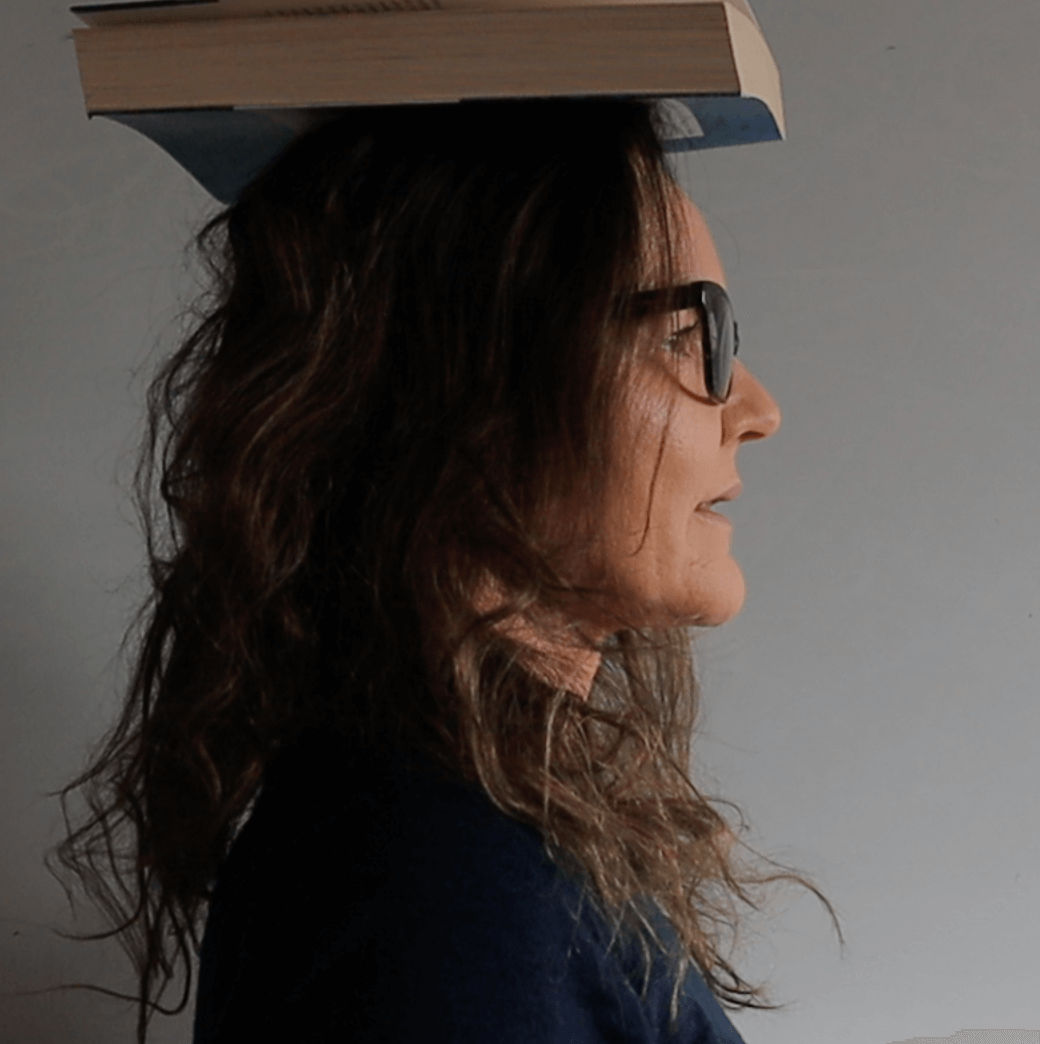
AI as a kind of double-edged sword
If you think that this sentence sounds familiar it’s because I was inspired by the question in William Shakespeares famous play “Hamlet”. The sentence “to be or not to be that is the question” has to me somehow some of the same wisdom in it as “to AI or not to AI”. What is the connection you might ask? To me it’s about – like in the tragedy of Hamlet – nothing is as it seem to be. Another way to describe it is that I view AI as a kind of double-edged sword – it can be a powerful tool as well as a path of darkness and corruption. Exactly like in Shakespeares play Hamlet “there is something rotten” about AI, and my and my sceptical and analytical mind is trying to understand – why is it so? I guess when the first book was written hundred or thousand of years ago there was also sceptical thoughts about that, and if you have read Umberto Ecos The Name of The Rose you’ll understand what I mean with “it can be a path of darkness and corruption. Not the book in itself, but the way that people already in power use it to control people. Long story short Umberto Eco wrote about the book of Poetry of Aristoteles and how this book was hidden to the public because it’s message was: “The mission of those who love mankind is to make people laugh at the truth, to make truth laugh, because the only truth lies in learning to free ourselves from insane passion of the truth”. When I talk to people about AI there is – to me – a naive “passion” of the AI “truth” and we should be laughing at this kind of “truth”. Why? because the “truth” of AI is biased and as such a powerful tool to mind control and corruption.
I don’t see AI as a threat but as a tool, but a tool you have to know the cause and effect of. I’m from a generation where people was naively writing every number down from the calculator without doing the mathwork themselves. Goes without saying a lot of reports of mathematic subjects was pure nonsense. People did not use their common sense and question the mathematic result, but replied when asked “‘the calculator show this is the result, so it must be the truth”. I had a kind of similar discussion once with my husband 20 years ago when we were driving through Europe and used the new technology (at that time) a GPS. The voice in the GPS kept giving wrong information – like ” do a U turn” in a crowded motorway and common sense would say “no way”. So my approach to GPS was….yes you guessed it …was sceptical in finding the right roads to our destination. The GPS lost its “authority” for me and I started to look at the roadsigns instead and use my logic and imagination to get a picture of where we were and where we were going. As I see it there is nothing wrong with technology it’s a part of human evolution as everything else, but the problem is if people think they don’t have to use their common sense and imagination at all. AI is what it is a tool, a complex machine that we can use for our benefit as well as we can use a calculator, a GPS, a PC etc, but you still have to think yourself and don’t let the machine be the “authority” especially because AI is developed by people who might have other interests that you know of.
Is AI an existential threat? It could be and that’s why I write this post not to scare you, but to make you think. I give you an example of the different questions that AI raise e.g. the AI in a car; if a situation where two persons walk out in-front of a car. The car is driving very fast. The AI has to make a “decision”. It can only avoid one of the persons not both of them. So it runs one of the persons over and accidentally kill this person – who is a 3 year old. The other person who is a 90 year old person continues to walk and did not notice anything. What do you think? Could it be that the right thing to do here was to let the driver make an ethical decision? Or should we just let the “choice” be up to AI – not our responsibility? I hope you understand that AI is a double-edge sword in these kind of situations.
Can AI in fact make people more stupid?
Besides having ethical concerns about AI, I also have some other concerns about AI. As I see it the combination with conditioned people, not using their common sense and believing everything that AI is saying is “truth” is dangerous if the control of AI is in the wrong hands. If you ask me can AI in fact make people more stupid? my answer will be yes it most certainly can! Today a lot of researchers doing studies on AI users in their everyday life (education, work etc) are talking about “opportunity costs”. If you use AI everyday you loose the opportunity to develop your competences, your skills, your creativity, your cognitive skills etc a decline in what we would call human opportunity. Most of all I’m speaking up about the costs of ethical, critical, sceptical, analytical etc thinking and decision making that is crucial to human society. If you think I overreact – well that’s okay we can agree to disagree. One thing is the human “opportunity costs” concerns about social justice etc another thing is the “environment costs”; AI has a huge negative effects on our environments e.g. our water supply. AI is like everything else – you’ll have to be aware of the consequences of your choices, and that does not mean that we can’t use AI it jus mean we have to be conscious about what the costs is.